Why Acne Scars Form and How Different Scar Types Affect Treatment Decisions in San Francisco, CA
Acne is one of the most common skin concerns we treat. While breakouts can be frustrating, many people find that the scars left behind are even harder to deal with. Acne scars can change the texture of your skin, make pores look larger, and affect your confidence long after acne has cleared.
The good news is that acne scars can often be improved with the right treatment plan. At
Kaveri Karhade MD Dermatology, we offer personalized acne scar treatment in San Francisco, CA based on each patient's skin type, scar type, and goals. One of the first things we explain to patients is that not all acne scars are the same. Different scars form in different ways, which means they often need different treatment approaches.
Key Takeaways
- Acne scars form when inflammation damages the deeper layers of the skin.
- Not all acne scars look the same or respond to the same treatment.
- Ice pick, boxcar, rolling, and raised scars each require a different approach.
- A combination of treatments often provides the best results.
- Early acne treatment may help reduce the risk of permanent scarring.
Why Do Acne Scars Form?
Acne scars develop when inflamed acne lesions damage the skin beneath the surface. As the skin heals, the body produces collagen to repair the area. Collagen is an important protein that helps keep skin smooth and firm.
Sometimes the body does not produce enough collagen during healing. This can leave behind a depression or pit in the skin. In other cases, the body produces too much collagen, which can create a raised scar.
Several factors can increase the risk of acne scars, including:
- Severe acne
- Cystic acne
- Delayed acne treatment
- Picking or squeezing pimples
- Frequent breakouts
- Family history of scarring
The longer inflammation remains in the skin, the greater the chance of permanent scarring. This is why treating active acne early is often one of the best ways to prevent future scars.
Understanding the Different Types of Acne Scars
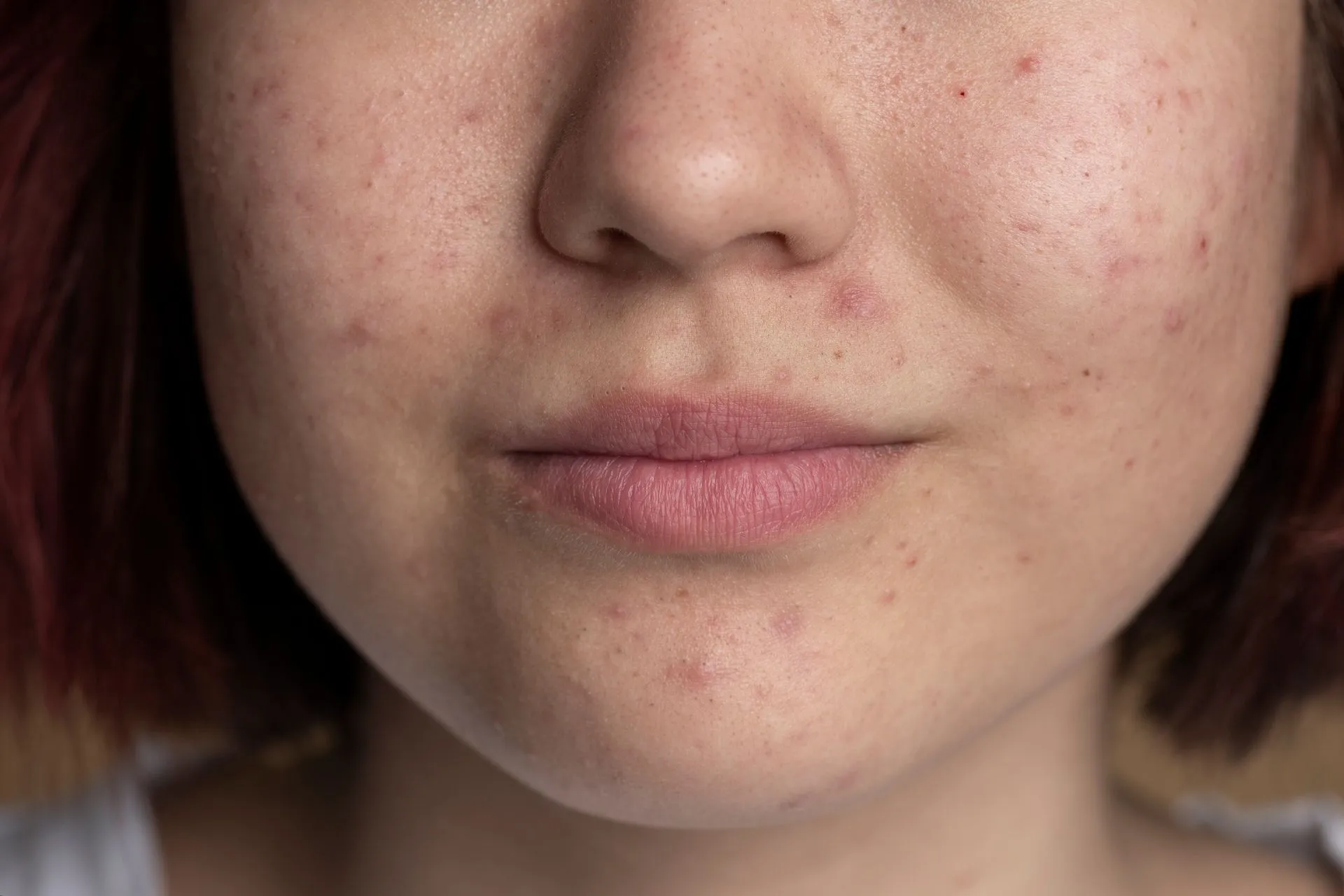
Acne scars are not all the same. Some scars are deep and narrow, while others create broad depressions or uneven texture. Understanding the type of scar you have helps us choose the most effective acne scars treatment.
Ice Pick Scars
Ice pick scars are small, deep scars that look like tiny holes in the skin. They are often found on the cheeks and can extend deep into the skin.
Because these scars are narrow and deep, they can be more difficult to treat than other scar types. They often require specialized treatments that target the scar below the skin's surface.
Boxcar Scars
Boxcar scars are wider than ice pick scars and have well-defined edges. They usually look like round or oval depressions in the skin.
Some boxcar scars are shallow, while others are deeper. The depth of the scar often affects which acne scar treatment may work best.
Rolling Scars
Rolling scars create an uneven or wavy appearance on the skin. They form when bands of tissue develop underneath the skin and pull it downward.
These scars often respond well to treatments that release the tissue beneath the skin and encourage new collagen production.
Raised Acne Scars
Not all acne scars are depressed. Some scars become raised because the body produces excess collagen during healing.
These scars may feel firm and appear thicker than the surrounding skin. They require a different treatment approach than ice pick, boxcar, or rolling scars.
Why Scar Type Matters for Treatment Decisions
Many patients ask us what the best acne scar treatment is. The answer depends on the type of acne scars you have.
A treatment that works well for rolling scars may not be the best choice for ice pick scars. Likewise, a treatment designed for raised scars may not help depressed scars.
When evaluating acne scars, we consider:
- Scar type
- Scar depth
- Skin tone
- Skin sensitivity
- Active acne
- Previous treatments
- Patient goals
This detailed evaluation helps us create a treatment plan that is tailored to your skin instead of taking a one-size-fits-all approach.
Acne Scar Treatment Options We Offer
At Kaveri Karhade MD Dermatology, we offer a variety of acne scars treatment options. Depending on the type of scars you have, we may recommend one treatment or a combination of treatments.
Laser Treatments
Laser treatments are often used to improve skin texture and support collagen production.
Benefits may include:
- Smoother skin texture
- Improved scar appearance
- More even-looking skin
- Overall skin renewal
Laser treatments can be helpful for many patients with acne scars, but the right option depends on the individual scar type and skin tone.
Chemical Peels
Chemical peels remove damaged surface skin cells and encourage healthier skin to emerge.
Chemical peels may help improve:
- Mild acne scars
- Uneven skin tone
- Post-acne discoloration
- Skin texture concerns
For some patients, chemical peels can be a valuable part of a larger acne scars treatment plan.
Subcision
Subcision is commonly used for rolling scars.
How Subcision Works
During the procedure, we carefully release the tissue beneath the scar that is pulling the skin downward. This allows the skin to lift and can help create a smoother appearance over time.
Subcision is often combined with other acne scar treatment options to improve results.
TCA CROSS
TCA CROSS is frequently used for deep ice pick scars.
Why It Is Used
This treatment places a specialized solution directly into the scar. The goal is to encourage the skin to repair itself and gradually improve the depth of the scar.
TCA CROSS can be especially helpful for scars that do not respond well to surface treatments alone.
Dermal Fillers
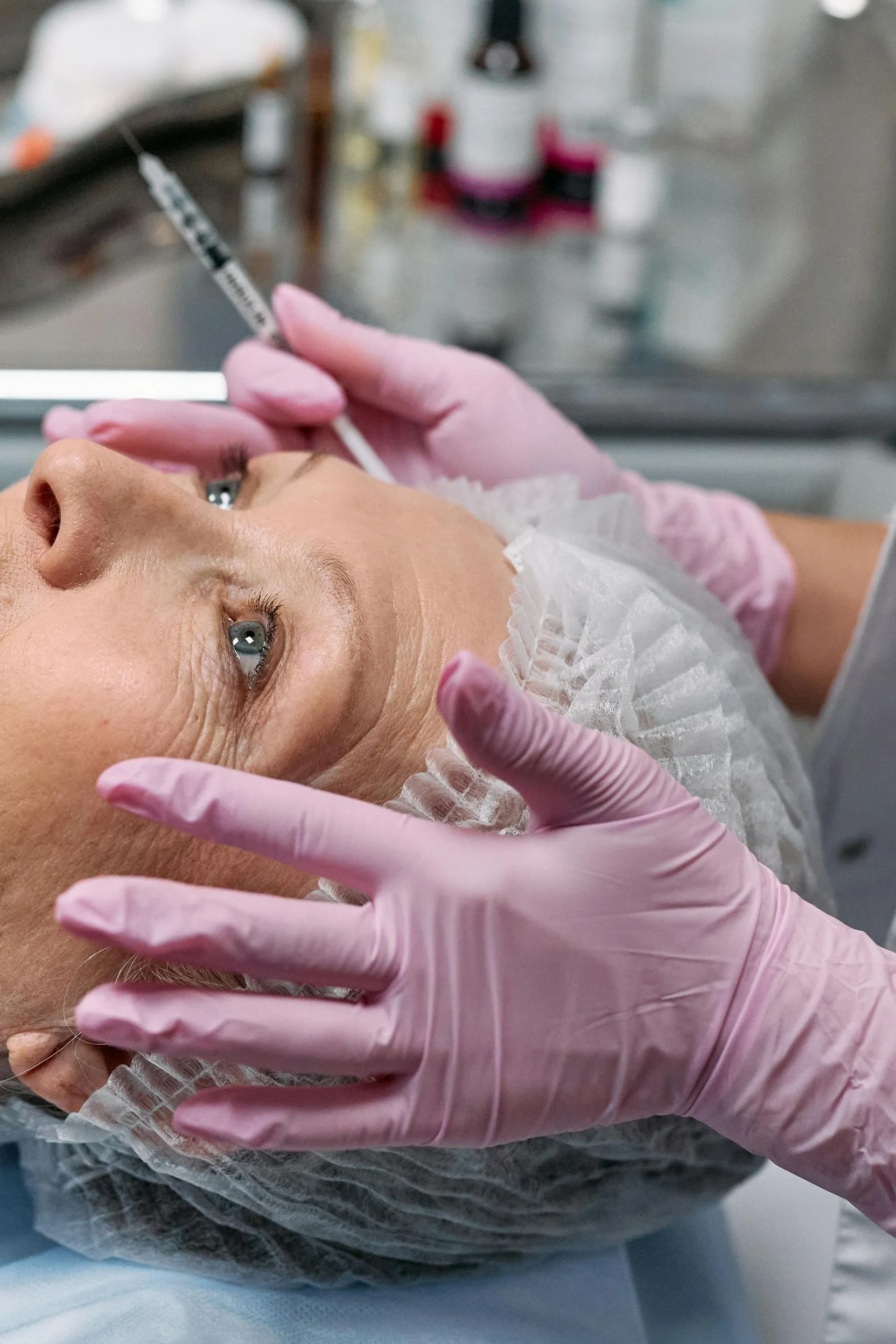
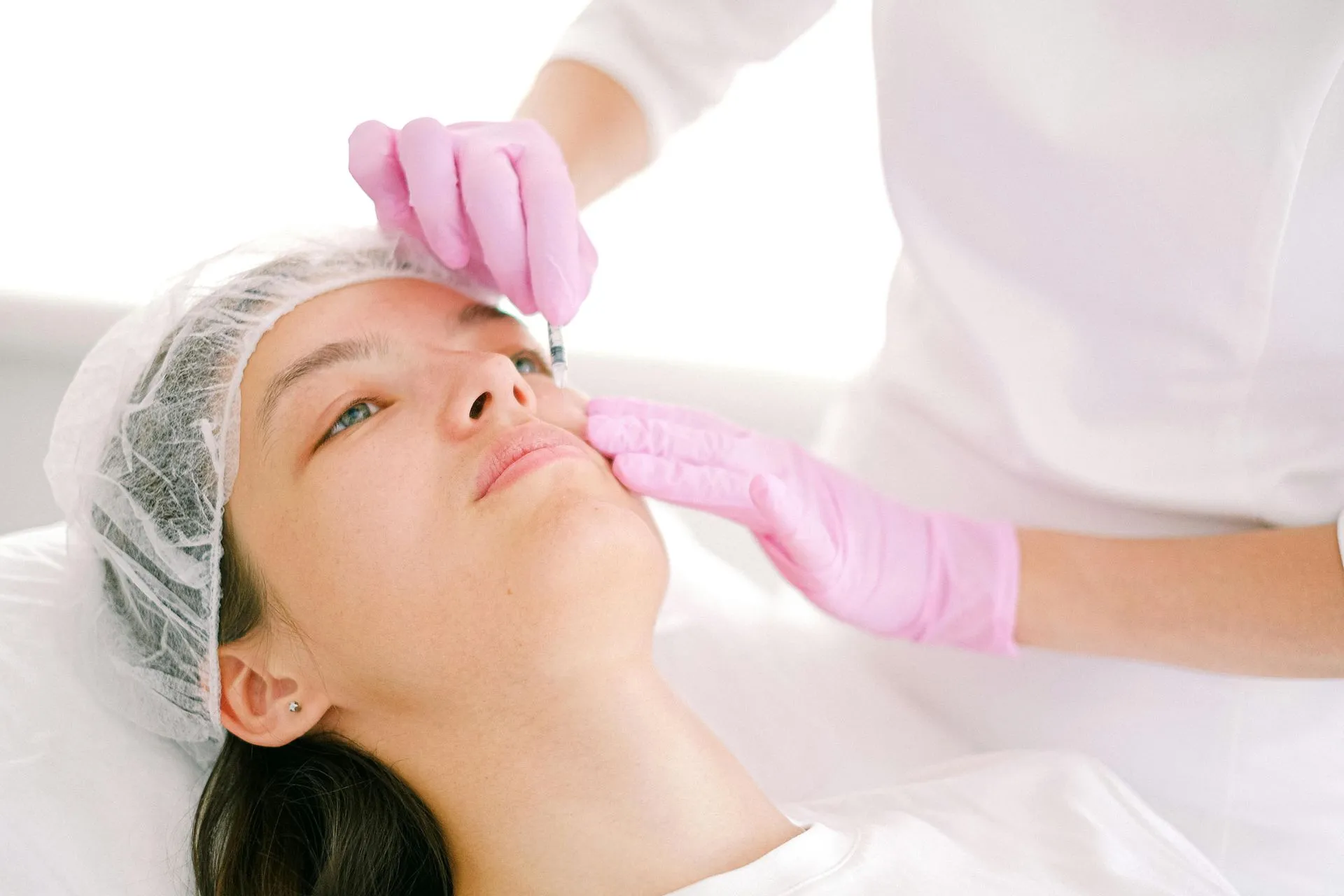
Some depressed acne scars can improve with dermal fillers.
Fillers may help:
- Lift indented scars
- Smooth uneven areas
- Improve overall skin appearance
For the right patient, fillers can be an effective addition to an acne scar treatment plan.
Why Combination Treatments Often Work Best
Many patients have more than one type of acne scar. It is common to see ice pick scars, rolling scars, and discoloration all on the same face.
Because different scars respond to different treatments, combining procedures often leads to better results.
A customized treatment plan may include:
- Laser treatments for texture
- Subcision for rolling scars
- TCA CROSS for ice pick scars
- Chemical peels for discoloration
- Fillers for depressed scars
By treating each concern individually, we can often achieve more noticeable improvement.
Treating Acne Scars in Different Skin Types
Skin tone is an important factor when choosing acne scars treatment. Patients with melanin-rich skin may be more likely to develop pigmentation changes after inflammation or certain procedures.
This does not mean acne scars cannot be treated safely. It simply means treatment should be chosen carefully.
Our goal is to improve acne scars while protecting the health and appearance of your skin. We customize treatment recommendations based on your skin type, medical history, and treatment goals.
When Should You Seek Acne Scar Treatment?
Many people assume acne scars will fade completely on their own. While some discoloration may improve with time, true acne scars often require professional treatment.
You may want to schedule a consultation if you notice:
- Pitted scars
- Raised scars
- Uneven skin texture
- Persistent acne marks
- Scarring from cystic acne
- Loss of confidence due to skin appearance
The sooner we evaluate your skin, the sooner we can discuss treatment options that may help improve your results.
Final Thoughts
Acne scars can be frustrating, but there are more treatment options available today than ever before. The key is understanding that each scar type is different. What works for one type of scar may not work for another.
At Kaveri Karhade MD Dermatology, we take a personalized approach to
acne scar treatment in San Francisco, CA. By identifying the type of acne scars you have and understanding your goals, we can create a treatment plan designed specifically for your skin.
Schedule an Acne Scar Consultation in San Francisco, CA
If you are bothered by acne scars, we are here to help. Our practice offers personalized acne scars treatment options designed to improve skin texture, smoothness, and overall appearance.
Contact Kaveri Karhade MD Dermatology at
(415) 923-3377 today to schedule a consultation and learn which acne scar treatment options may be right for you.
Frequently Asked Questions
Can acne scars go away on their own?
Some acne marks and discoloration may fade over time. However, true acne scars usually do not disappear on their own. Professional treatment is often needed to improve their appearance and smooth the skin.
What is the best acne scar treatment?
The best acne scar treatment depends on the type of scar you have. Ice pick scars, rolling scars, and boxcar scars often require different approaches. A consultation helps us determine which treatment may be most effective for your skin.
How many treatments will I need for acne scars?
The number of treatments varies from person to person. Some patients see improvement after a few sessions, while others may need multiple treatments. The severity of the scars and the treatment chosen will affect the timeline.
Can active acne be treated at the same time as acne scars?
Yes. In many cases, we recommend addressing active acne while treating acne scars. This can help prevent new scars from forming and support better long-term results.
Is acne scar treatment safe for darker skin tones?
Yes. Acne scar treatment can be performed safely on melanin-rich skin when the right techniques are used. We carefully customize treatment plans to reduce the risk of unwanted pigmentation changes and achieve the best possible outcome.