What Is Vitiligo? Latest Treatments and Approaches
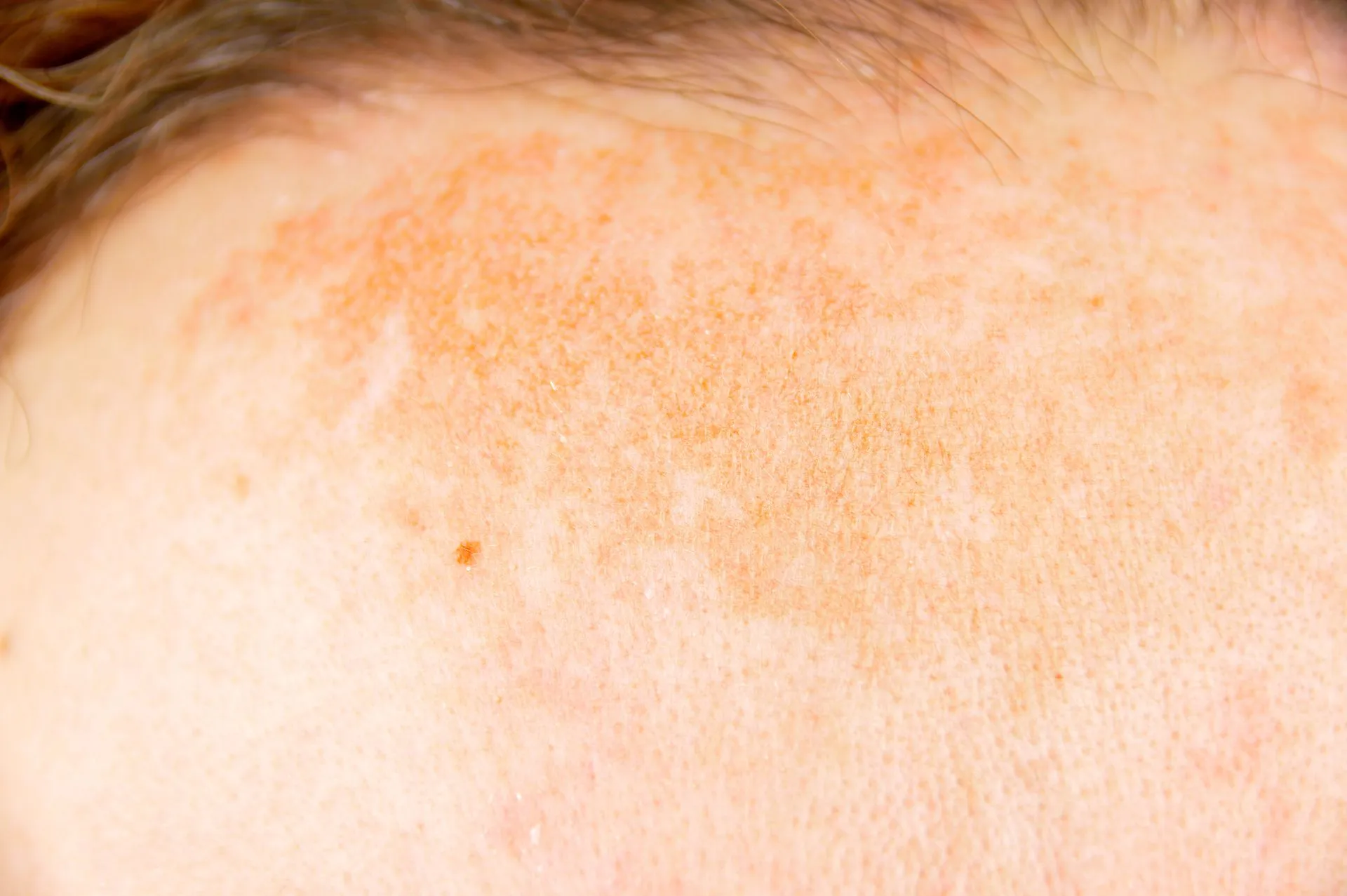
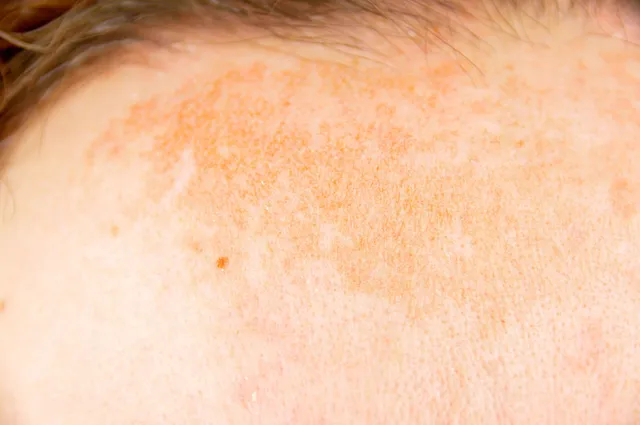
Vitiligo is a skin condition that causes patches of skin to lose their natural color. These depigmented areas appear lighter than the surrounding skin and can occur anywhere on the body. While vitiligo is not physically harmful, it can impact self-confidence and may require professional care to manage effectively.
Understanding vitiligo and the latest
vitiligo treatment options helps patients make informed choices. From topical solutions to advanced procedures, modern dermatology offers several approaches to help restore skin tone and improve quality of life.


What Causes Vitiligo?
Vitiligo occurs when the body’s immune system mistakenly attacks melanocytes, the cells responsible for producing skin pigment. Without melanocytes, affected areas lose color, creating the characteristic light patches.
Factors that may contribute to vitiligo include:
- Genetics: A family history of vitiligo or autoimmune conditions increases risk.
- Autoimmune disorders: People with thyroid disease, type 1 diabetes, or alopecia areata may be more prone.
- Skin trauma: Cuts, burns, or severe sunburn can sometimes trigger new patches.
- Environmental triggers: Stress or chemical exposure may exacerbate vitiligo.
Although the exact cause is still being researched, understanding these triggers can help patients manage their condition effectively and choose the right treatment for vitiligo.
Vitiligo is unpredictable. Some people experience rapid pigment loss, while in others, it progresses slowly over years. Early consultation with a dermatologist is essential to explore personalized treatment options.
Recognizing Vitiligo: Signs and Symptoms
Vitiligo usually begins with small, pale patches that gradually enlarge. While it often affects areas exposed to the sun, it can appear anywhere, including:
- Face, around the eyes and mouth
- Hands and fingers
- Elbows and knees
- Feet and toes
- Scalp and hairline
Other signs include:
- Premature graying of hair
- Loss of color in mucous membranes such as the mouth or nose
- Occasionally, mild itching or irritation in affected areas
Early recognition is important for timely intervention. A dermatologist can distinguish vitiligo from other skin conditions and recommend a
vitiligo skin treatment plan tailored to your needs.
Conventional Vitiligo Treatment Options
Managing vitiligo involves slowing progression, restoring pigment, and improving cosmetic appearance. Treatment plans are customized based on the extent, location, and progression of the condition.
Common options include:
- Topical corticosteroids: Reduce inflammation and may help restore pigment in early-stage vitiligo.
- Calcineurin inhibitors: Non-steroidal creams that help regulate the immune response in sensitive areas like the face.
- Phototherapy: Controlled ultraviolet light sessions stimulate melanocyte activity and repigmentation.
- Depigmentation therapy: For extensive vitiligo, lightening the surrounding skin can create a more uniform appearance.
Combination therapies often yield the best results. Dermatologists may pair topical treatments with phototherapy to enhance repigmentation. Patience is key, as results can take several months to appear.
Advanced and Emerging Vitiligo Treatments
Recent advances in dermatology have expanded options for those seeking vitiligo treatment. These approaches aim to improve repigmentation and offer longer-lasting results.
- Excimer laser therapy: Delivers targeted UVB light to affected areas, stimulating melanocyte activity.
- Micropigmentation or medical tattooing: Adds pigment to depigmented areas for cosmetic improvement.
- Cellular grafting: Transplants melanocytes from unaffected skin to depigmented patches.
- Experimental therapies: Research is exploring biologics and immunomodulators to halt immune system attacks on melanocytes.
These treatments are usually reserved for patients who do not respond to conventional therapies. Consulting a dermatologist experienced in
vitiligo skin treatment ensures the right approach for your skin type and condition severity.
Supporting Vitiligo Treatment With Lifestyle and Skincare
While professional care is essential, certain habits can support treatment and skin wellness. Proper skin care can help minimize irritation, prevent new patches, and maintain overall skin health.
Tips to complement vitiligo treatment:
- Sun protection: Depigmented areas are more sensitive to UV damage. Daily sunscreen is essential.
- Moisturization: Hydrated skin supports barrier function and reduces irritation.
- Gentle skin care: Avoid harsh exfoliants or products with alcohol that can irritate skin.
- Diet and stress management: Anti-inflammatory foods and stress reduction may support overall immune health.
While these habits do not cure vitiligo, they enhance the effectiveness of
treatment for vitiligo and improve long-term skin wellness.
Emotional Well-Being and Vitiligo
Vitiligo can affect self-esteem and emotional well-being, especially when visible areas like the face or hands are involved. Support from dermatologists, mental health professionals, and patient communities can be invaluable.
- Counseling or therapy: Helps cope with stress and self-image concerns.
- Support groups: Connect with others experiencing vitiligo for advice and encouragement.
- Cosmetic options: Camouflage makeup or micropigmentation can help patients feel more confident.
Addressing the emotional aspects of vitiligo is just as important as vitiligo skin treatment itself. Feeling comfortable in your skin supports overall wellness and confidence.
Experience Expert Vitiligo Care in San Francisco
Managing vitiligo requires professional expertise and personalized care. At Kaveri Karhade MD Dermatology in San Francisco, we offer comprehensive vitiligo treatment options tailored to your skin type and condition. Our team works with you to develop a plan that supports repigmentation, protects your skin, and enhances your confidence.
In addition to vitiligo care, we provide
skin resurfacing,
laser treatments for pigmentation and redness,
dermal fillers, and
neurotoxins. Each service is designed to support long-term skin health and wellness while improving the appearance and texture of your skin. Contact us today at
(415) 923-3377 to schedule a consultation and explore your treatment options.
FAQs
Can vitiligo be cured completely?
Currently, there is no permanent cure. Treatments focus on repigmentation, slowing progression, and improving cosmetic appearance. Results vary by patient.
Are vitiligo treatments painful?
Most treatments are minimally uncomfortable. Topical creams are painless, phototherapy may feel warm, and cellular grafting or micropigmentation may require mild numbing.
How long does vitiligo treatment take?
Treatment duration varies. Topical therapies and phototherapy can take weeks to months, while procedures like cellular grafting offer targeted results over multiple sessions.
Can vitiligo spread to other areas of the body?
Vitiligo can progress unpredictably. Early treatment and monitoring by a dermatologist can slow the spread and manage new patches.
Are there lifestyle changes that support vitiligo treatment?
Yes. Sun protection, gentle skincare, moisturizing, stress management, and a balanced diet can support repigmentation and overall skin wellness.