Everything You Need to Know About Melasma Treatment
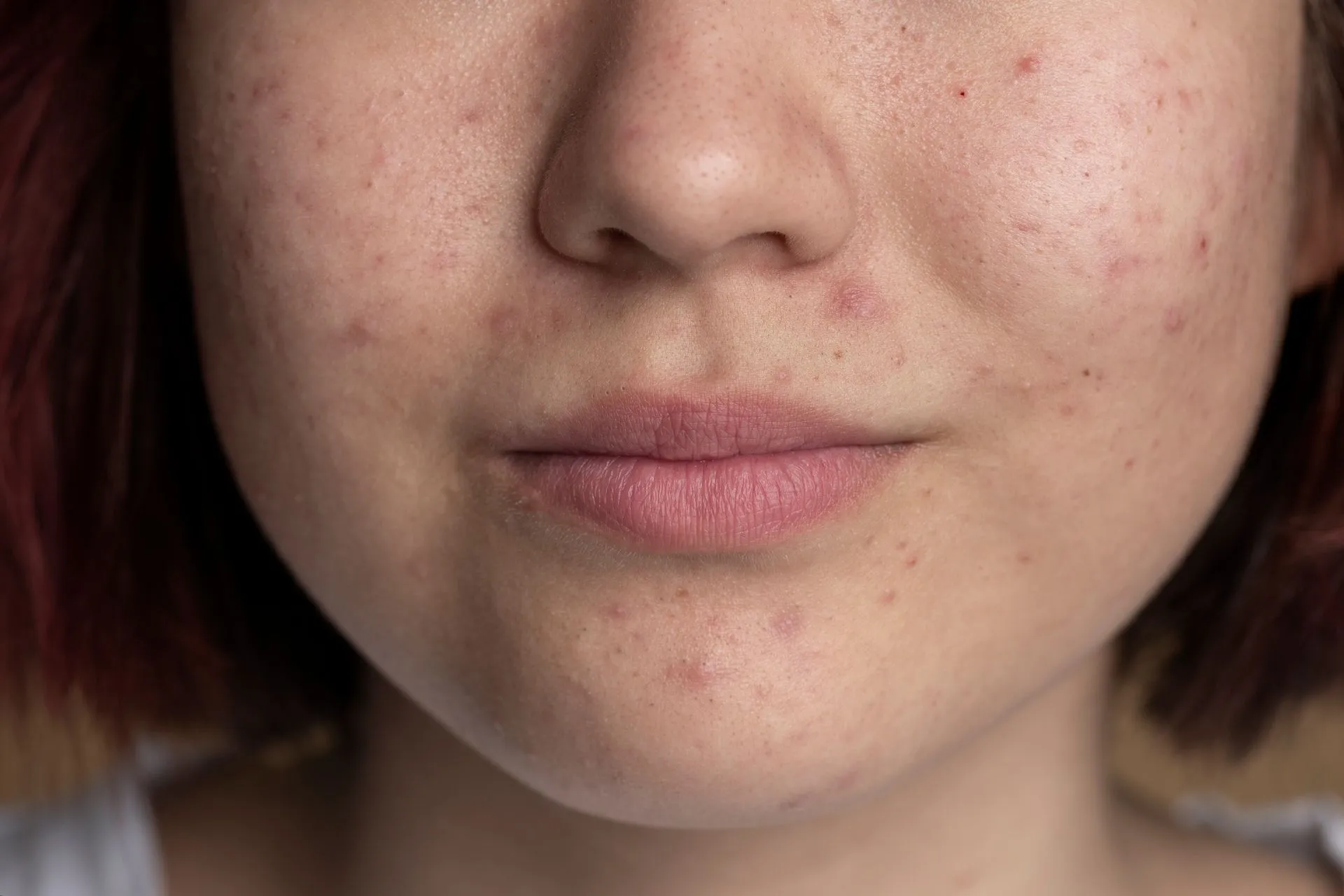
Melasma is a common skin condition that causes dark, irregular patches on the face, often affecting the cheeks, forehead, upper lip, and nose. While it is harmless, melasma can impact confidence and make your skincare routine feel more complicated. Fortunately, there are effective melasma treatments that help reduce pigmentation and restore an even skin tone.
In this article, we will explore the causes of melasma, effective
treatment options for melasma on the face, prevention strategies, and expert advice to help you manage this condition successfully.
Understanding Melasma and Its Causes
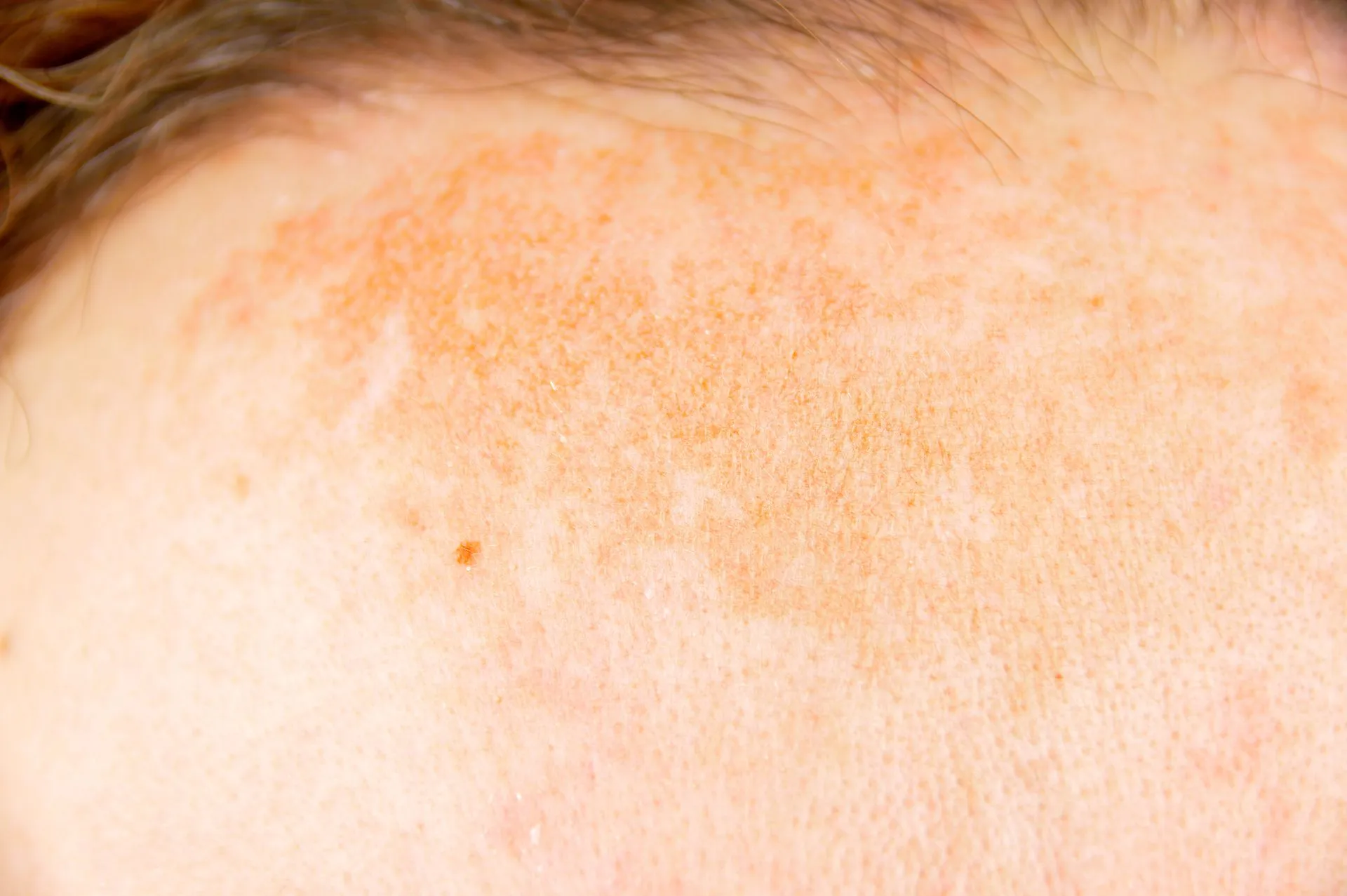
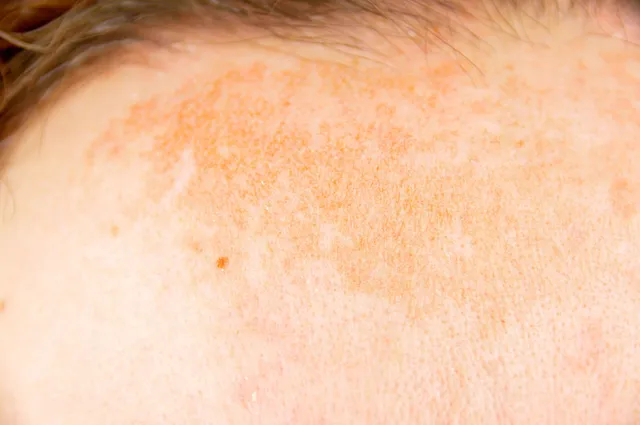
Melasma on the face often appears as brown or grayish patches that develop gradually. It is more common in women than men and can be triggered by several factors, including:
- Sun exposure: UV rays stimulate melanocytes, causing pigmentation.
- Hormonal changes: Pregnancy, birth control pills, and hormone therapy can increase melasma risk.
- Genetics: A family history of melasma makes you more prone to developing it.
- Skin irritation: Harsh skincare products or frequent exfoliation may worsen pigmentation.
While melasma is not harmful, it can be frustrating. Understanding the root causes is the first step toward effective
melasma treatment.
Top Treatment Options for Melasma on Face
Treating melasma requires a multifaceted approach. There is no one-size-fits-all solution, but dermatologists offer several effective methods to lighten pigmentation and improve overall skin tone:
- Topical treatments: Creams containing hydroquinone, tretinoin, or azelaic acid can help fade dark spots over time.
- Chemical peels: Mild peels with glycolic or lactic acid help exfoliate pigmented layers of skin.
- Laser therapy: Targeted lasers reduce pigmentation by breaking down excess melanin in the skin.
- Sun protection: Daily sunscreen with high SPF is essential to prevent further darkening.
- Combination therapy: Often, using multiple methods together achieves the best results.
It is important to consult a dermatologist for a tailored plan because what works for one person may not be as effective for another.
Lifestyle and Skincare Habits to Support Treatment
Beyond medical treatments, your daily skincare routine plays a crucial role in managing melasma on the face.
Small adjustments can prevent flare-ups and improve treatment results:
- Consistent sun protection: Use broad-spectrum sunscreen every day, even indoors or on cloudy days.
- Gentle skincare products: Avoid abrasive scrubs or products with harsh chemicals that can irritate the skin.
- Moisturization: Keeping the skin hydrated helps maintain a healthy barrier and reduces pigmentation triggers.
- Healthy diet: Antioxidant-rich foods may support skin repair and reduce oxidative stress.
- Stress management: Hormonal fluctuations due to stress can worsen melasma, so practices like meditation and sleep hygiene can help.
By combining medical treatment with good skincare habits, you can achieve longer-lasting results and prevent recurrence.
Laser and Light-Based Treatments for Melasma
For stubborn or persistent pigmentation, laser treatment for melasma is a popular option. Advanced laser technologies target melanocytes without damaging surrounding skin, promoting even skin tone.
Some benefits include:
- Precision targeting: Lasers can focus on pigmented areas while leaving healthy skin unharmed.
- Quick sessions: Treatments are usually fast and may require minimal downtime.
- Enhanced results with combination therapy: Lasers work best when combined with topical creams and sun protection.
Popular options include fractional lasers and low-fluence Q-switched lasers, which have shown significant improvements in pigmentation without extensive recovery periods.
Preventing Melasma Flare-Ups
Even after successful melasma treatment, flare-ups can occur if preventive measures are not followed.
Dermatologists recommend:
- Daily sunscreen: Reapply every two hours when outdoors.
- Avoiding peak sun hours: Stay out of direct sunlight between 10 a.m. and 4 p.m.
- Protective clothing: Hats and sunglasses can reduce sun exposure.
- Careful skincare selection: Choose non-irritating, fragrance-free products.
- Regular follow-ups: Ongoing monitoring helps address pigmentation early if it returns.
Prevention is just as important as treatment because melasma is often chronic and requires consistent management.
Combining Treatments for Maximum Results
Many dermatologists find that a combination approach yields the best outcomes for melasma on the face.
This may include:
- Topical creams and chemical peels to reduce existing pigmentation
- Laser therapy for deeper stubborn spots
- Sun protection and lifestyle adjustments to prevent new pigmentation
By addressing melasma from multiple angles, patients often experience faster, longer-lasting results with fewer relapses.
Experience Professional Melasma Treatment in San Francisco with Dr. Kaveri Karhade
Restore Your Skin’s Natural Glow
Ready to restore your skin’s natural glow and effectively address melasma on the face? Contact Kaveri Karhade MD Dermatology at (415) 923-3377 in San Francisco to schedule a consultation. Our experienced team provides professional melasma treatments designed to reduce pigmentation, even skin tone, and help you feel confident in your skin again.
In addition to melasma care, we offer a wide range of services to enhance your skin’s health and appearance, including
skin resurfacing,
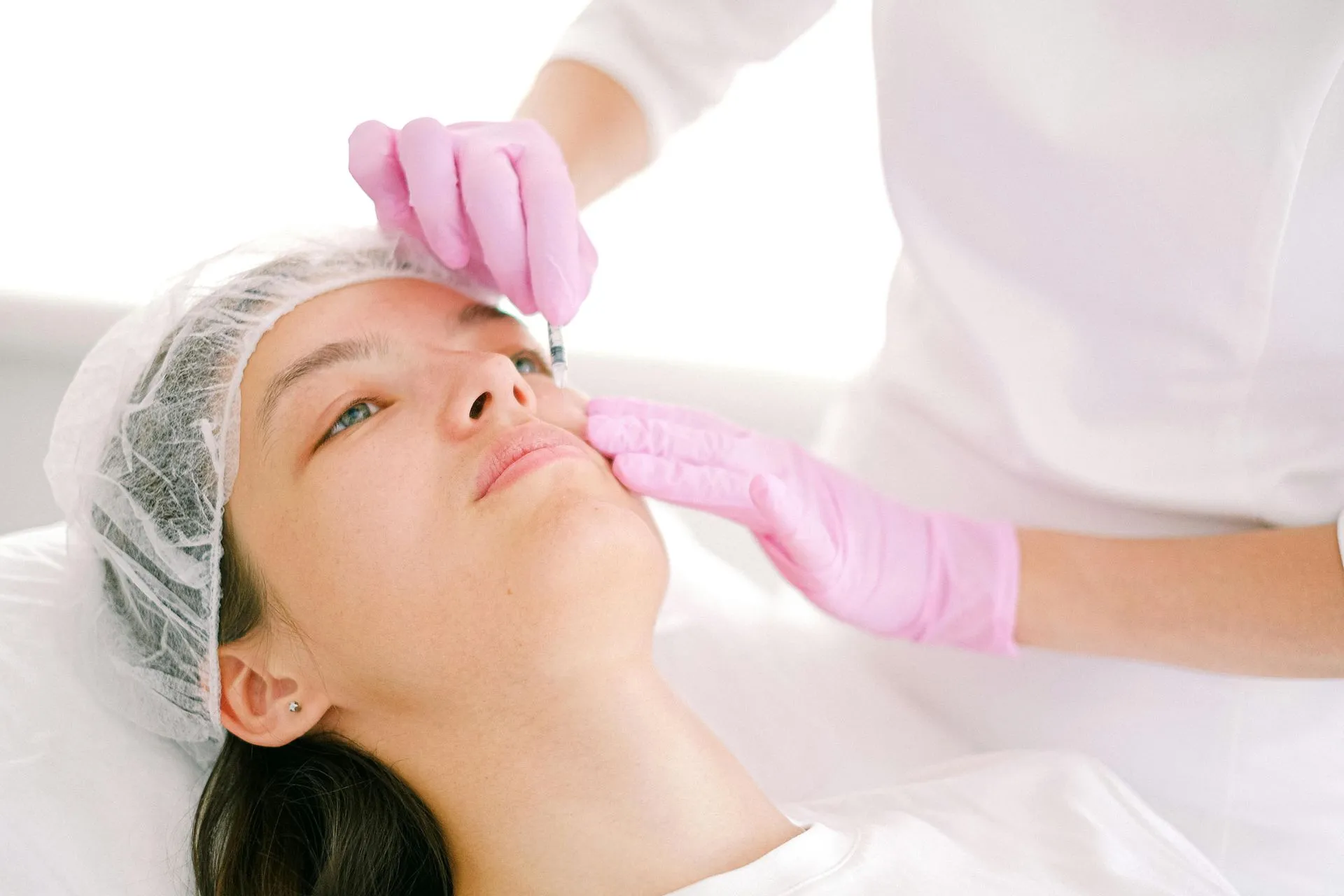
dermal fillers,
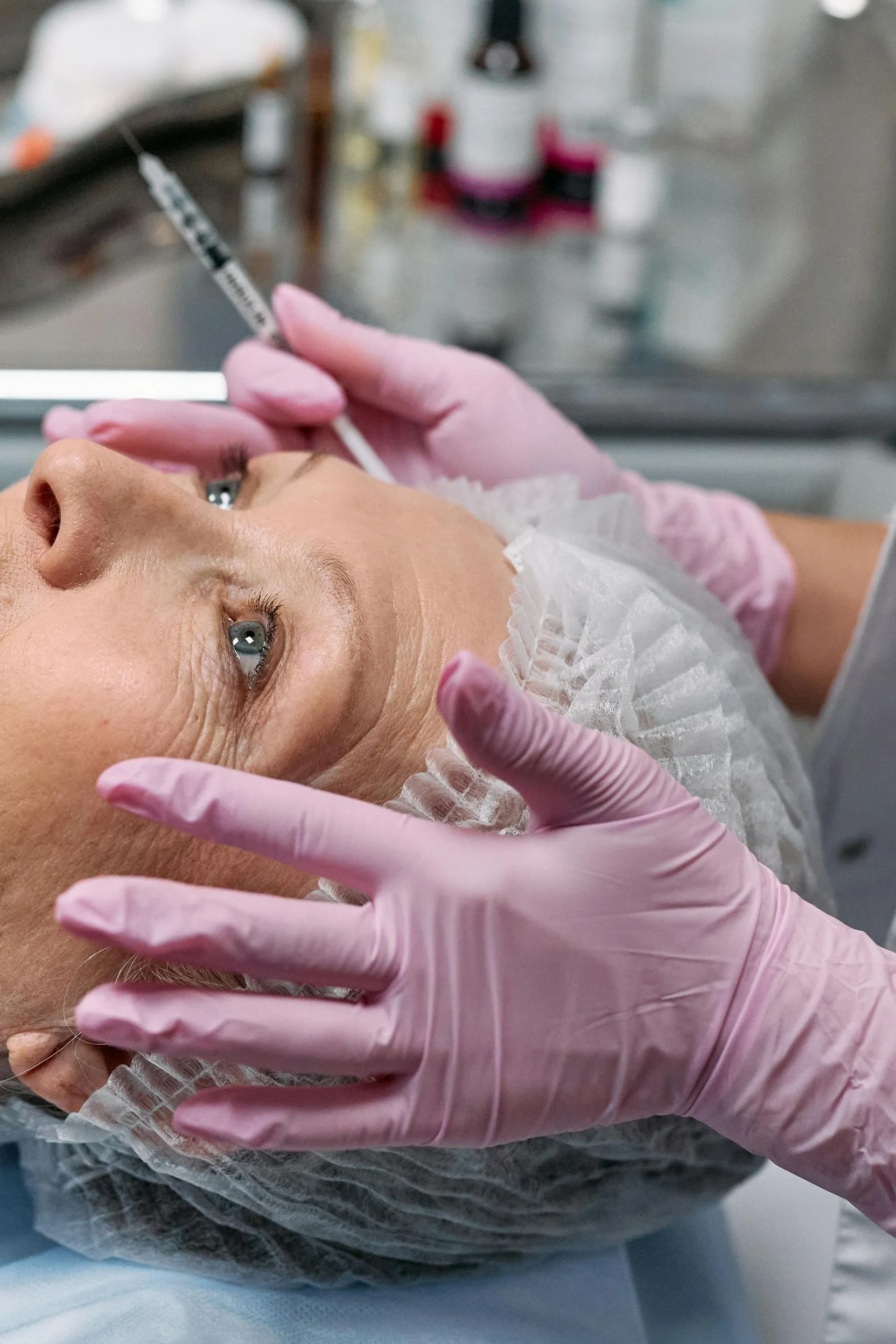
neurotoxins, and
laser treatments for pigmentation,
redness, and
hair removal. Each treatment plan is personalized to your unique skin goals, ensuring optimal, long-lasting results while supporting overall skin wellness.
FAQs
Can melasma go away on its own?
Melasma may fade slightly over time, especially if triggered by pregnancy or hormonal changes, but it rarely disappears completely without treatment. Professional melasma treatments are often needed for significant improvement.
Are laser treatments safe for all skin types?
Advanced laser therapies can be safe for most skin types when performed by a trained dermatologist. Your provider will choose the right wavelength and settings to minimize risks and optimize results.
How long does it take to see results from melasma treatment?
Results vary depending on the treatment type and severity of pigmentation. Topical creams may take several weeks, while chemical peels and laser treatments often show noticeable improvements within a few sessions.
Can lifestyle changes prevent melasma?
Yes. Consistent sun protection, gentle skincare, and healthy habits such as proper hydration and stress management can reduce flare-ups and improve treatment outcomes.
Is melasma treatment painful?
Most treatments are minimally uncomfortable. Topical creams are painless, chemical peels may cause mild tingling, and laser treatments can feel like a light snapping sensation. Your dermatologist can provide numbing or cooling options for comfort.